Sustainable Development Goals

Location:
Hoyerswerda, Germany
Project Status:
Historical pilot plant; operational 2009–2014, now decommissioned
Design Basis:
10,000 tonnes/year of mixed passenger and commercial truck tires
Klean’s Role:
Design, engineering and founder advisory; private-equity engagement and pilot redesign with Niersberger
Services / Equipment:
Design & Engineering, Consulting Services, Due Diligence
Klean helped TPL’s founders turn a troubled pilot plant into the foundation of a commercial tire-pyrolysis technology. Acting on behalf of the founders, Klean engaged with private equity and helped guide the redesign of the original system toward an EPC, which ultimately led to Niersberger. The resulting engineering and know-how were consolidated into Carbon Resources Recovery GmbH (CRR), carried forward into the plant built in Poland, and ultimately acquired outright by Klean.
This is a foundational chapter in Klean’s development. Its design, engineering and advisory work connected the founders’ ambitions with the technical changes needed to advance the project. The value created continued beyond the German pilot through commercial deployment and ownership of the technology itself.
The founders had a pilot that needed substantial redesign
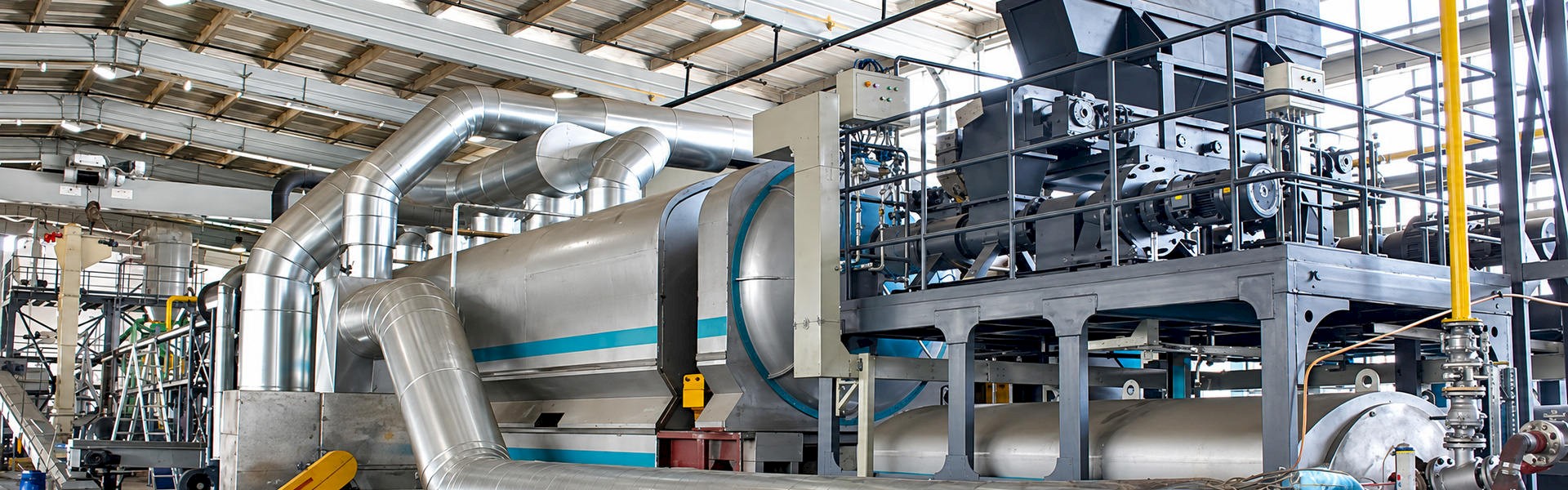
Established in 2009, TPL pursued continuous tire pyrolysis at Hoyerswerda, Germany, with a design basis of 10,000 tonnes per year of mixed passenger and commercial truck tires. The objective was to recover valuable carbon and oil for industrial reuse.
The original pilot relied on low-quality Chinese-supplied equipment and encountered significant processing and control problems. Its difficulties extended into the products: the carbon and oil were of insufficient quality to attract the intended industrial customers. The founders needed a technically stronger process and a commercially useful output.
That combination made this an engineering and business-development assignment. Improving the equipment had to improve the quality of the recovered materials. At the same time, the founders needed to engage capital providers around a credible route from pilot development to an industrial plant.
Represent the founders and connect engineering with investment
Klean’s design, engineering and advisory services enabled it to engage with private equity on behalf of TPL’s founders. Its involvement connected the investment discussion with the work required to redesign the pilot and develop the technology.
The KleanTeam evaluated alternative technologies and drew on experience from other pilot facilities, examining their practical strengths and weaknesses through to construction and continuous operation. That work supported the selection and development of the process to be carried forward.
For the founders, Klean brought technical understanding into the capital discussion. The engineering work could explain what needed to change, why those changes mattered and how the redesigned process could advance the commercial objective.
Reengineer the pilot with Niersberger
Working with the founders and Niersberger, Klean helped develop the German-engineered version of the original system. The work involved redesigning virtually every aspect of the technology and its process parameters to improve equipment quality, service life and the quality of the recovered products.
The redesign generated know-how through solving the pilot’s actual problems. Equipment, process controls and operating conditions had to work together to produce useful materials consistently. Each improvement contributed to the engineering knowledge carried into the subsequent design.
This is the distinction at the heart of the TPL story: buying equipment did not buy the knowledge required to make the process work commercially. Klean helped create that knowledge through development, redesign and product-market work.
Develop products that industrial customers could use
The KleanTeam also had to develop a market for the pilot’s outputs and demonstrate their commercial use. Improving the carbon and oil was essential to opening those markets. Product quality and process design therefore advanced together.
The aim was to return recovered materials to industrial supply chains, including tire and rubber manufacturing. The carbon product required the quality and finishing appropriate to recovered carbon black; the oil needed a defined industrial application. This work gave the engineering program its commercial purpose: producing materials that customers could use and buy.
Carry the technology into CRR and the Poland plant
The intellectual property and know-how developed through TPL were consolidated into Carbon Resources Recovery GmbH, based in Berlin. The redesigned technology then formed the basis for the commercial installation in Poland, with Niersberger serving as the EPC provider.
The sequence is central to understanding Klean’s experience: founder advisory and private-equity engagement, pilot redesign with Niersberger, consolidation into CRR, and commercial deployment in Poland. Klean’s relationship with the technology began during its development, well before its eventual acquisition.
A development program that created lasting technology value
On the 10,000-tonne annual project basis, Klean’s original case set out the following approximate annual recovery and impact figures:
These figures express the intended resource recovery and economic contribution of the project at its design basis. They explain the scale of the opportunity that the engineering program sought to realize.
The enduring outcome was the technology and know-how that moved from pilot development into commercial deployment. In 2019, Klean acquired 100% of CRR and the TPL technology portfolio, bringing the accumulated process knowledge and intellectual property into its ownership.
Read Klean’s CRR acquisition announcement >> GO.
The lineage is unbroken: the private-equity investors who backed TPL founder Dr. Eckart Pelz and the CRR development with Niersberger remain shareholders in Klean Industries today, and Rainer Dippold, the Niersberger Group’s managing partner and Klean’s Director of Engineering.
That technology lineage now supports TyreNova, deployed through Klean’s exclusive alliance with KBR. Announced in October 2025, the alliance combines Klean’s technology development and project leadership with KBR’s global licensing, engineering and delivery capabilities.
Read about the Klean and KBR TyreNova alliance >> GO.
For a founder or investor, TPL shows what Klean can contribute when a project needs more than an equipment purchase. Klean worked with the founders, helped reshape the process and supported the development of a technology that progressed into commercial use. Today, clients can engage the company that owns the resulting know-how and understands the development decisions behind it.
1. Klean’s advisory work is grounded in engineering.
Acting for TPL’s founders, Klean engaged with private equity while helping develop the technical route beyond the original pilot’s limitations.
2. The redesign created proprietary value.
Work with Niersberger improved the technology and generated the know-how consolidated into CRR and carried into Poland.
3. That experience now sits within Klean’s owned technology portfolio.
The 100% CRR acquisition brought the development knowledge into Klean; the later KBR alliance provides the international deployment route for TyreNova.
These are selected achievements and lessons. Further technical and commercial insights are available through an engagement with Klean.
If you are a founder developing a tire-recycling technology, an investor assessing a project or an owner seeking to improve an existing plant, involve Klean while engineering and commercial decisions can still shape the outcome. TPL demonstrates the value of bringing process knowledge into both project development and investment discussions.
For a new equipment project, a paid Detailed Equipment Quotation (DEQ) establishes the proposed configuration and preliminary investment basis. A Detailed Feasibility Study (DFS) develops the technical and commercial case, followed by Front-End Engineering Design (FEED). Founder advisory, private-equity support and existing-plant redesign can be scoped to the specific assignment.
Discuss Your Project Development and Engineering Needs with Klean >> GO.
Learn More:
ABOUT THE INFORMATION PRESENTED
This case describes Klean’s historical development work and the subsequent technology lineage. Recovery and impact figures relate to the stated project basis. Further engineering, operating and commercial information is addressed within an agreed engagement and appropriate confidentiality arrangements.
This project addresses the United Nations Sustainable Development Goals (SDGs) by considering the goals and associated targets illustrated by the WBCSD’s Tire Industry Project (TIP). TIP provides a framework for action that outlines impactful pathways for the tire sector to contribute to achieving the Sustainable Development Goals (SDGs). To learn more about how Klean’s approach, solutions, and technologies contribute to advancing the SDGs, please review the report “Sustainability Driven: Accelerating Impact with the Tire Sector SDG Roadmap”.
